

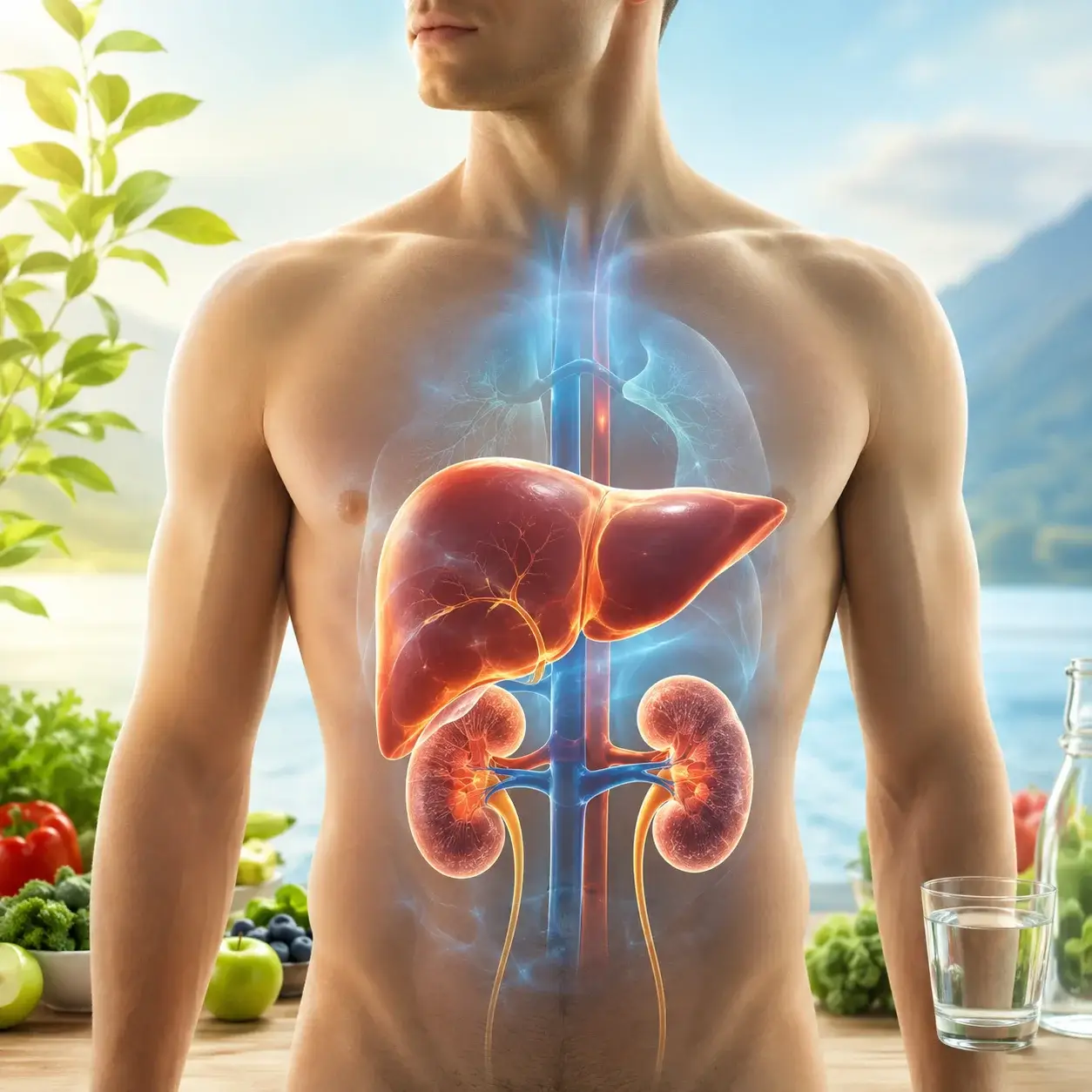
The first step to taking care of the body’s primary filters is to make consistent and practical decisions that promote organ wellness and liver and kidney health daily. These two organs function continuously to break down food, eliminate toxins and maintain proper blood chemistry. They operate well, and energy remains more stable, with better overall resilience. Fortunately, these are all tools that most people already have: hydration, planning meals, exercise, and alcohol regulation. A short cleanse will only last for a while, while simple actions to support the health of the liver and kidneys, as well as organ wellness, will lead to a strong foundation that will last a long, long time. The sites like Mpesu provide easy-to-go information, which assists individuals comprehend these procedures without any hyperbole.
The liver is in the upper right section of the abdomen and has hundreds of functions. It breaks down the nutrients from food, creates bile to aid digestion, stores vitamins and energy, and neutralises many substances entering into the bloodstream. Blood is filtered approximately 40 times per day in the bean-shaped pair of kidneys, located at the bottom of the back. They eliminate waste products, excess fluids, and assist in maintaining fluid and electrolyte balance and blood pressure. These work together to make a very effective system that maintains the internal environment. With a consistent support provided to both organs, the rest of the body starts to reap the benefits of clean blood and metabolic control.
Waste removal is not an extraordinary event to use extreme means. Liver breaks down fat soluble into water soluble to get rid of in urine. There are also supporting roles of digestive tract and lungs. This ongoing process is best if blood is flowing properly, there is a sufficient supply of water, and the organs are not being overworked with too many calories, alcohol or processed foods. This natural rhythm relieves the need to overstress the system using unproven techniques and focuses on behaviors that maintain the built-in machinery’s equilibrium.
The easiest and best help that the kidneys can get is WATER. The filters work best when there’s plenty of fluid in the blood to strain. It’s best for most healthy adults to take the drug in regular, small amounts over the course of the day rather than a high dose. Urine is a good indicator of hydration level: it should be clear or light. Water, herbal tea, and food that are rich in water like cucumber or citrus can help, but the base of your drinks should always be water. Achieving proper fluid balance also helps the liver to function better because it helps maintain overall circulation.
Liver is the organ that breaks down virtually all alcohol. Over time, if you consume it regularly and too much, it can cause fat accumulation, inflammation and scarring. Distributing drinking days and limit the amount of drinking per week allows the organ to recover. Multiple days of abstinence a week are recommended by many experts. Drinkers of any amount can benefit from conscious portion control. It helps to lower overall stress and maintain liver function on some days by selecting lower alcohol or non-alcoholic drinks.
A plate filled with vegetables, fruits, whole grains, lean proteins, and healthy fats provides antioxidants and fiber that both organs require. Broccoli and cabbage, leafy greens, berries and beets are common foods mentioned when talking about liver support because they activate the body’s own liver-protective pathways. Reducing added sugars, refined carbohydrates and ultra-processed foods can avoid excess fat accumulation in the liver. Sodium helps control blood pressure in the kidneys and is required to maintain balance. Little changes in daily meals are more effective than quick short-term changes.
Exercise aids in better circulation to the liver and kidneys, and helps manage body weight, thus alleviating stress on the liver and kidneys. Brisk walking most days of the week helps to reduce the amount of fat in the liver and promotes better blood pressure. Two or three times weekly strength training enhances insulin sensitivity as well. The aim is consistency not intensity. Any level of daily steps or amount of structured exercise will help improve organ performance over months and years.
When it comes to marketing, there is a promise of fast detoxification using juices, teas or supplements. In fact, the liver and kidneys are constantly already doing detoxification. Some herbal products may have too much of an effect on these organs or interfere with certain medications, if the product is taken in large doses or if it is too strongly restricted. Long-term habits are preferred over intensive efforts over a short period of time. It’s still a good idea to read labels and consult a health care provider about any new supplements. This is the evidence-based focus of the resources available through Mpesu, so that readers can distinguish between what works and what doesn’t.
Some symptoms warrant immediate action: unexplained weight loss, weight gain, swelling in the legs or face, or in urine or its color, yellowing of the skin or eyes, or persistent abdominal pain. Individuals with other diseases, such as diabetes, hypertension, or organ disease in their families, will need routine examinations and laboratory testing. Simple interventions can be used to protect function before problems occur if there is early consultation with a doctor.
Change is seldom achieved on a perfect day. It’s the result of repeated behaviors: having a glass of water at a precise time every morning, taking a short stroll after eating, adding more greens to the plate and taking time off from drinking alcohol. It’s easier to focus on one or two habits at a time. Not smoking, not being stressed and getting a good night’s sleep both help to protect both organs. These decisions, over months, can be measured in terms of support for filtration and metabolic health.
Final Thoughts
It comes back to the same practical reality which initiated this discussion. Regular choices that promote liver health, kidney health, organ wellness are far more consistent results than any simple pill. A realistic plan for everyone is to get hydrated, eat a balanced diet, and move and drink in moderation. What Mpesu shares confirms that it is important to have constant care for these important organs, rather than sudden intervention, so that they continue to function well over long-term use. This week is the first week of beginning the process of a healthier body with 1 or 2 habits. Stay connected with us on Facebook for practical updates and simple tips on supporting liver health, kidney health, and long-term organ wellness.
Regular fluid intake to make the urine light in colour is advisable for most healthy adults. Each person has a different level of needs depending on activity, climate and health.
A diet rich in plants, fiber and limited processed foods helps to minimize fat accumulation and promotes natural processes, particularly with activity and alcohol in moderation.
In healthy organs, the process of getting rid of waste is already effective. Pay attention to lifestyle behaviors that have been shown to benefit health instead of unregulated products that could be potentially dangerous.