
Glucose in the blood is the sugar the brain and muscles burn for work. After a meal the number climbs. Between meals, it should settle. A fast climb and a hard fall leave a person shaky, hungry, and short-tempered. Thirst that will not quit can appear before any clinic stamp does. Fog after cool drink is another early hint. Pap, white bread, and bottled juice sit on many plates in this country and move the reading quickly. Walking, sleep, and plate size move it the other way. Mpesu is a Venda vitality brand and is not a diabetes clinic. Lab work still decides what the body is doing.
The phrase means glucose stays inside a band the organs can live with. Insulin from the pancreas opens the door so cells can take sugar in. Closed doors leave sugar circulating and the reading high. An empty stomach after a long gap can drop the number and bring sweat. Morning fasting values and values two hours after food are not the same test. One strip after a wedding feast proves almost nothing. Week-long patterns prove more. Infection, steroids, and poor sleep shove the line around. Age does the same, only slower. A doctor names disease. A slogan does not.
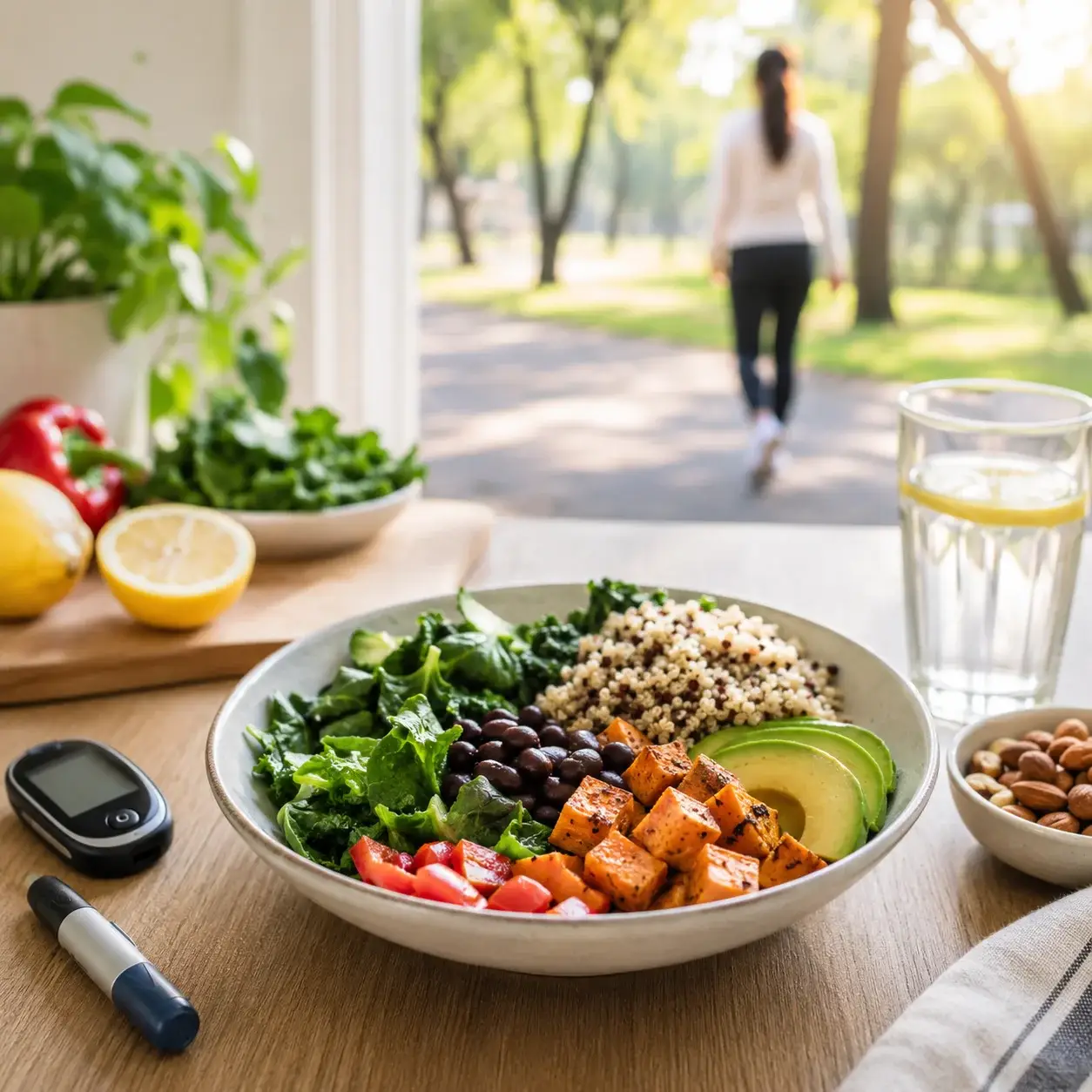
Almost every rise after a sitting starts on the plate. Starch and table sugar become glucose faster than egg or plain spinach. Soda hits the blood quicker than a whole orange with the pulp left in. Fat on the same plate slows the climb a little. A heavy supper at ten at night can keep the midnight value high. No breakfast and then a huge lunch makes a steep hill. Street fried food packs energy and almost no fibre. Beans, cabbage, and intact grains drag the rise out. Salt is not sugar, yet salty packets still push thirst and weight. Kitchen habits add up by Friday.
Bread, rice, pap, potato, fruit, and sweet drinks are the main carbohydrate sources. The heap on the plate often matters more than the brand name on the bag. A mountain of pap beside a scrap of meat hits harder than a modest scoop next to greens. Packet labels list grams. The cooked pile is what the mouth actually sends down. Starch split across breakfast and lunch usually beats one giant evening dump. Brown bread still raises glucose. It just tends to do it more slowly. Fruit with skin is not the same as juice in a bottle. Fear of an entire food group helps nobody. Amount and clock time do.
Working muscle pulls glucose out of the blood. A twenty-minute walk after lunch can flatten the peak for a lot of adults. A chair from seven to five leaves more sugar hanging in the veins. Site labour counts as movement. Cool drink and loaf bread beside that labour can cancel the gain. Office hours still allow a stair climb and a short loop outside. Fancy shoes are not required. Swollen knees need a slower plan, not a sudden 10-kilometre test. People already on insulin can drop too low if a hard session starts with no medical plan. Chest pain during effort stops the walk and starts a clinic call.
Five hours in bed makes high-sugar food look better the next day. Night duty scrambles meal clocks and hormone cues. Worry keeps stress hormones up, and those hormones can lift glucose even with a plain plate. Family rows and unpaid bills show up next to supper on the lab printout. Beer at eleven wrecks sleep and the morning strip. A hot, lit room steals the first hour of rest. Phones under the pillow steal the second. A noon nap does not always repair that damage. Deep insomnia belongs with a clinician, not with a proverb. Mental health care is part of metabolic care when the strain stays.
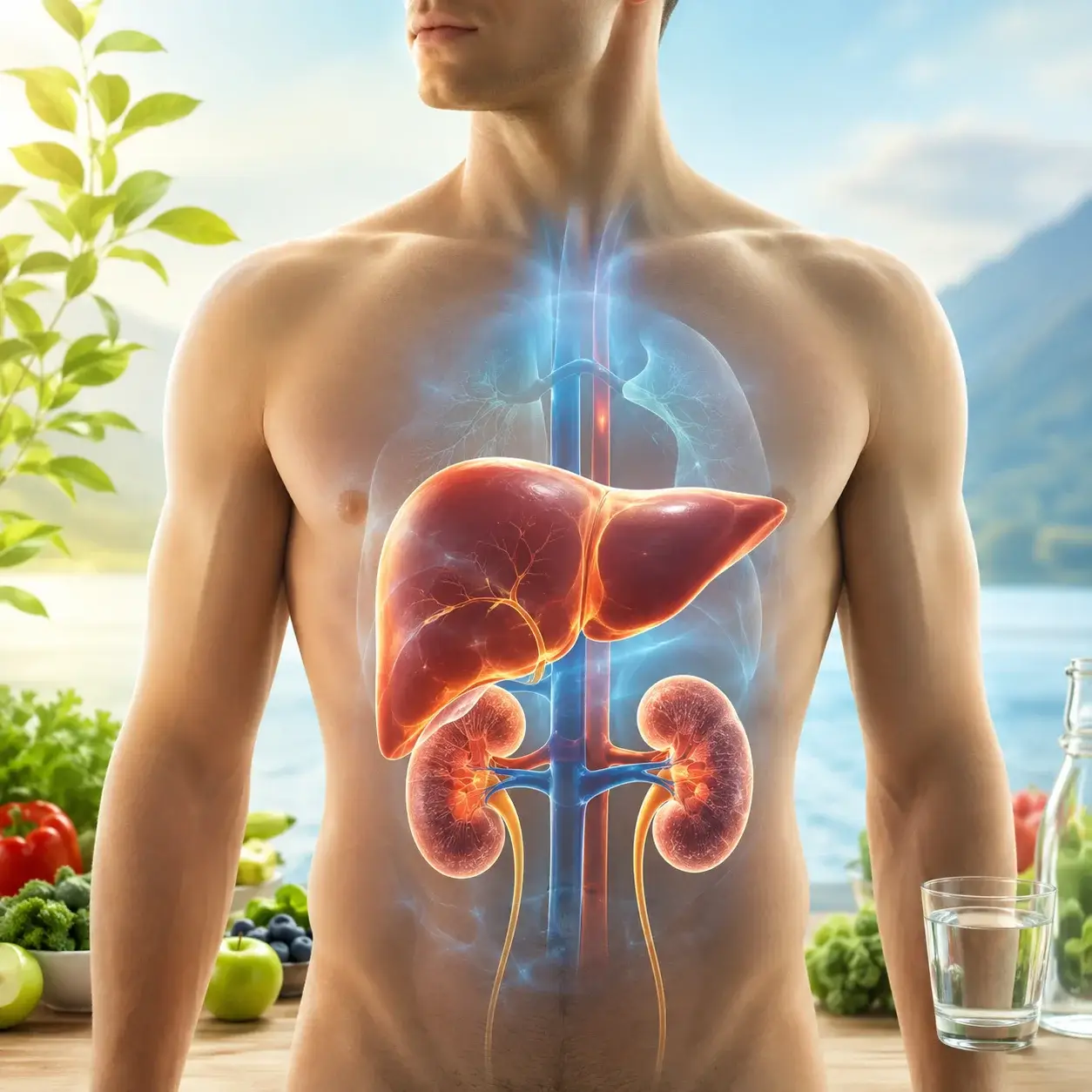
Water will not wipe a high reading off a meter. Kidneys still need fluid to clear waste after the body burns glucose. Sweet tea and boxed juice add sugar while they kill thirst. Midday heat in a queue drains water fast. Light-coloured urine is a rough check for many adults with no kidney disease. Heart trouble changes how much fluid is safe. Fixed meal hours beat all-day nibbling for a calmer curve. Cigarettes and weekend binges both work against the same file. Salted crisps raise thirst and pad the waist. Mpesu bottles belong in the vitality cupboard, not in the place of a meal plan.
How a person feels can miss a quiet climb. A fasting clinic test and an HbA1c show months, not last night’s pudding. Blood pressure and waist size travel with glucose risk. A parent or sibling with diabetes brings the first check forward. A pharmacy finger prick can open the talk. It does not open a full medical file. Pregnancy, infection, and cortisone courses swing numbers for a stretch. Old printouts should sit beside new ones. Eyes, feet, and kidneys need their own look once diabetes is named. Months of “it will settle” are how nerves get hurt.
Licensed tablets and insulin exist to protect eyes, feet, kidneys, and the heart. Capsules from a wellness shelf do not do that job. Mpesu goods are traditional vitality products, not registered diabetes medicine. Hiding a powder from the clinic can mask a dangerous low or a stubborn high. Plant origin does not mean harmless next to blood-pressure or sugar drugs. Batch labels and ingredient lists still matter if a bottle is bought. Walking, plate size, and sleep remain the core public-health tools. Sales copy on a tonic is not a prescription. Organ damage does not wait for a catalogue promise.
Thirst that empties bottles, plus weight falling off, needs a visit soon. Blurred sight, cuts that linger, and burning feet need a booked exam. Sweat, tremor, and confusion after a skipped plate can mean a low. Repeat lows need a plan, not another sweet biscuit only. Vomiting with very high readings and heavy breathing is emergency work. A pregnancy plan changes every target and every tablet. Teenagers with the same signs need a paediatric route. New boxes from the chemist go in the bag because many of them shift glucose. Late talk costs organs. Early talk costs an afternoon.
Steady glucose comes from portion size, movement after food, sleep, and numbers written down at a clinic. Giant starch piles and sweet drinks shove the daily curve more than most adverts admit. Short walks and a darker bedroom help a fair number of adults. A range such as Mpesu may sit next to those habits as cultural vitality support. It does not close a diabetes file. Follow Mpesu on Facebook for practical wellness tips and straightforward guidance on healthier everyday habits.
Clinics use slightly different cut-offs for fasting samples and for samples after meals. One home strip after a party is not a diagnosis. A clinician reads the run of numbers next to symptoms and other tests.
Most adults still eat some starch. Timing and the food sitting beside it change how fast the reading climbs. People already on a diabetes file follow the plan their clinician set.
Muscle at work can pull part of the meal’s glucose out of the blood. A short walk is a habit, not a full treatment. Pain in the chest or joints changes the plan and needs professional advice.
Diabetes treatment is medical and licensed. Herbal vitality products do not replace that treatment. Mpesu is sold as traditional wellness support and belongs on the same list the doctor sees.
Thirst plus extra urine, weight loss, or blur needs a prompt check. Heat alone also makes a person drink more, so the whole picture matters. Signs that repeat across several days still belong in a consulting room.