Quick answer: Umdolofiya (also called dolofiya) is the isiZulu name for the prickly pear cactus, Opuntia ficus-indica. In South Africa it is used in traditional men's tonics alongside Mpesu. It may lower blood sugar, so people who take diabetes medication should check with a doctor first.
People search for Umdolofiya benefits for many reasons, but most want to know what this plant can really do for men. In this guide, we explain what Umdolofiya is, how it is used, what research says so far, and who should avoid it. That way, you can make an informed choice.
What is Umdolofiya?
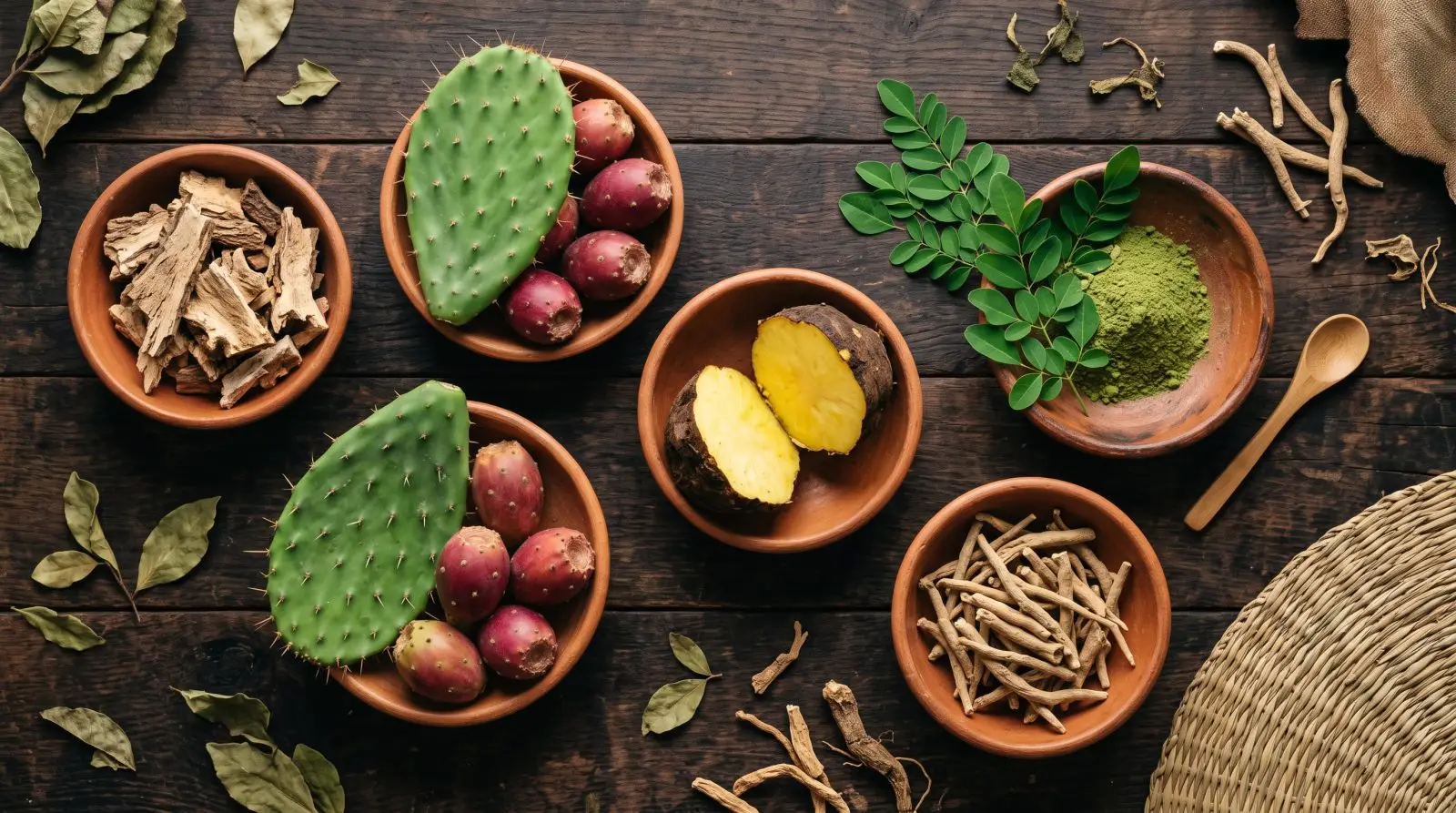
Umdolofiya is the name many South Africans use for the prickly pear, Opuntia ficus-indica. The plant first came from Mexico, but today it grows widely across Southern Africa. People eat the sweet fruit, while the young pads (called nopales) are cooked as a vegetable.
Umdolofiya is not the same plant as Mpesu. Mpesu is the root of the violet tree, whereas Umdolofiya is a cactus. However, the two are often blended together in traditional men’s tonics, including our MpesuMax range.
Umdolofiya wenzani? What Umdolofiya does
People often ask umdolofiya wenzani, which means “what does umdolofiya do?”. In short, the fruit is a nutritious food, and research suggests prickly pear may help lower blood sugar. Traditionally, it is also added to men’s tonics, or imbiza yamadoda, for strength and vitality. However, no clinical study has tested it for sexual performance, so treat those claims with care.
Umdolofiya benefits for men
Traditionally, men use Umdolofiya as part of tonics for strength, stamina and vitality. That said, there are no clinical studies on Umdolofiya and sexual performance. So any claim that it works like a sex pill goes beyond the evidence.
Even so, there is an indirect link. Diabetes and heart disease are two of the most common causes of erection problems. Because prickly pear may help with blood sugar, it could support the healthy blood vessels that erections depend on. Keep in mind, though, that this has not been tested directly.
Other possible Umdolofiya benefits
According to RxList, which rates the evidence for supplements, prickly pear has been studied for several uses:
- Blood sugar: single doses lowered blood sugar by 17% to 46% in some people with diabetes, so it is rated “possibly effective”.
- Hangover symptoms: taken before drinking, it may reduce nausea and a dry mouth the next day.
- Cholesterol: early research suggests the edible pulp may lower cholesterol, but there is not yet enough evidence.
- Nutrition: the fruit is rich in vitamin C and antioxidants.
Umdolofiya benefits for women
As a food, the fruit is just as nutritious for women as for men. However, there is no research on Umdolofiya for women’s libido or hormones. In addition, there is not enough information to say whether medicinal amounts are safe during pregnancy or breastfeeding, so it is best avoided then.
Side effects and who should avoid Umdolofiya
Prickly pear is likely safe when eaten as food. In larger, medicinal amounts, however, it can cause:
- mild diarrhoea, nausea or bloating;
- headaches;
- constipation, because the hard seeds are difficult to digest.
Most importantly, take care if you have diabetes. Since prickly pear can lower blood sugar, combining it with diabetes medicine may cause your sugar to drop too low. For the same reason, stop using it at least two weeks before an operation.
If you use a blend that also contains Mpesu, read our guide to Mpesu side effects as well, because Mpesu is the stronger of the two herbs.
How Umdolofiya is used with Mpesu
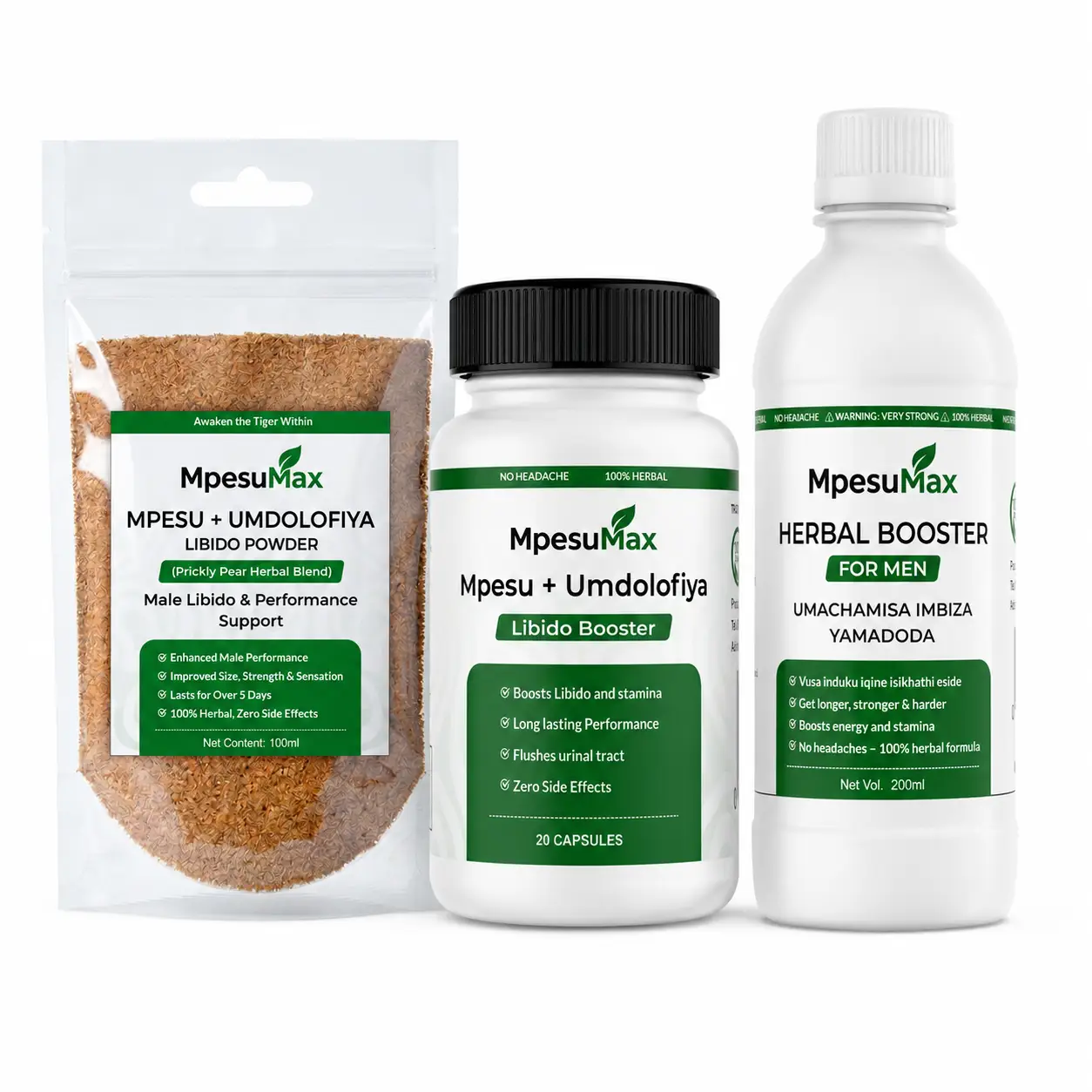
In our MpesuMax range, Umdolofiya is combined with Mpesu in a tonic, a raw powder and capsules. Each product has its own directions, so always follow the label. You can find step-by-step instructions in our guide on how to use Mpesu, or browse the MpesuMax range.
Frequently asked questions about Umdolofiya
What does Umdolofiya do to men?
Traditionally, men take it for stamina and vitality. Scientifically, the strongest evidence is for lowering blood sugar, which may help the blood vessels over time. There is no direct proof that it improves erections.
Is Umdolofiya the same as Mpesu?
No. Umdolofiya is the prickly pear cactus, while Mpesu is the root of the violet tree. Read what is Mpesu to learn more about it.
Is dolofiya the same as umdolofiya?
Yes. Dolofiya, udolofiya and umdolofiya are different spellings people use for the same plant, the prickly pear. In Afrikaans it is called turksvy.
What is umdolofiya in English?
In English, umdolofiya is the prickly pear (Opuntia ficus-indica), a cactus that grows widely across Southern Africa. In Afrikaans it is called turksvy.
Umdolofiya wenzani?
Umdolofiya wenzani means “what does umdolofiya do?”. The fruit is a nutritious food, and research suggests prickly pear may help lower blood sugar. Traditionally it is added to men’s tonics for strength and vitality, but no clinical study has tested it for sexual performance.
How do you use umdolofiya?
In our MpesuMax range, umdolofiya is blended with Mpesu as a tonic, a raw powder or capsules. Each product has its own directions, so always follow the label. Our guide on how to use Mpesu has step-by-step instructions.
Can I take Umdolofiya with diabetes medicine?
Only with your doctor’s approval. Together, they could lower your blood sugar too much, so your doctor may need to check your levels or change your dose.
Final thoughts on Umdolofiya benefits
In short, Umdolofiya is a nutritious plant with a long history in traditional men’s tonics. The evidence is strongest for blood sugar, while claims about sexual performance still need proper research. Above all, use it in sensible amounts and speak to a doctor if you take medication.
More guides
Products in this range include Mpesu + Umdolofiya Raw Performance & Enlargement Powder (100ml), Mpesu + Umdolofiya Capsules (20), MpesuMax Libido Tonic with Umdolofiya – Umachamisa Imbiza Yamadoda (200ml).